
Introduction: Why Thyroid Health Matters
The thyroid gland is small, but it plays a big role in your health. Thyroid disorders can affect your energy, mood, weight, and even your heart. Because symptoms can be mild at first, many people do not notice them. However, early detection and regular thyroid monitoring are key to staying healthy. Dr Janathana stresses the importance of understanding thyroid symptoms and getting proper care.
Understanding the Thyroid Gland
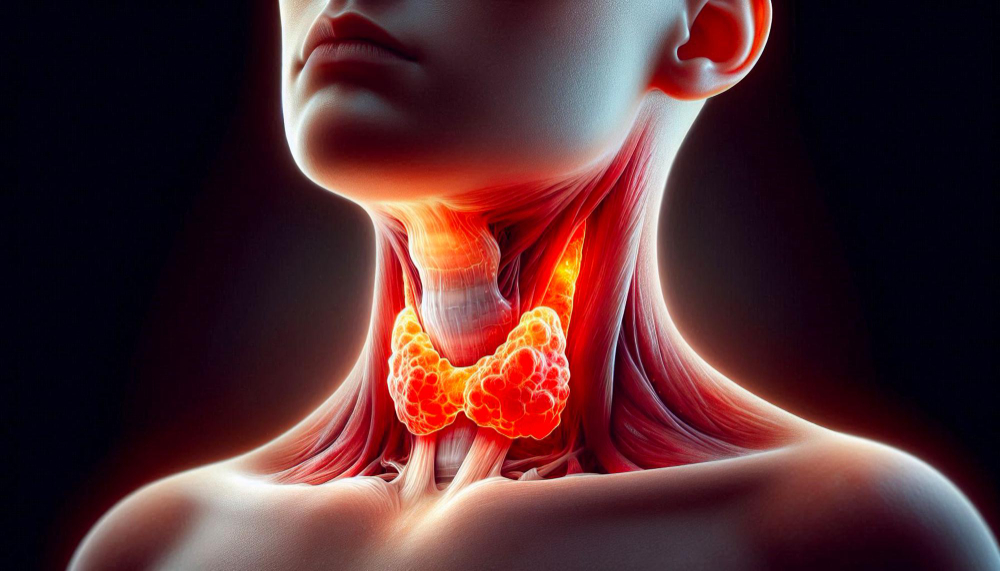
The thyroid gland sits at the front of your neck, just below the Adam’s apple. It makes hormones called T3 (triiodothyronine) and T4 (thyroxine). These hormones help control how your body uses energy. They also affect your heart rate, temperature, and even how you feel. When the thyroid does not work well, it can cause many health problems.
What Are Thyroid Disorders?
Thyroid disorders happen when the gland makes too much or too little hormone. The two main types are:Hypothyroidism: The thyroid is underactive and makes too little hormone.Hyperthyroidism: The thyroid is overactive and makes too much hormone.
Often, these problems are caused by autoimmune diseases, such as Hashimoto’s thyroiditis or Graves’ disease. Sometimes, thyroid disorders can also be due to iodine deficiency, certain medicines, or other medical conditions.
Common Symptoms of Thyroid Disorders
Thyroid symptoms can be different for each person. Still, some signs are more common. Knowing these can help you spot problems early.Hypothyroidism (Underactive Thyroid):Feeling tired or weakWeight gain, even with normal eatingDry skin and hairFeeling cold oftenConstipationSlow heart rateDepression or low moodHeavy or irregular periodsHyperthyroidism (Overactive Thyroid):Feeling nervous or anxiousWeight loss, even with normal eatingFast or irregular heartbeatSweating or feeling hotShaky handsMore frequent bowel movementsTrouble sleepingLighter or missed periods
Why Thyroid Symptoms Are Often Missed
Many thyroid symptoms start slowly. For example, tiredness or weight changes can be blamed on stress or aging. Because these signs are common in daily life, people may not realize they have a thyroid problem. However, regular thyroid monitoring can help catch issues early, even before symptoms become severe.
Causes and Risk Factors
Several things can increase your risk of thyroid disorders. Knowing these can help you stay alert.Autoimmune diseases (like Hashimoto’s or Graves’)Family history of thyroid problemsBeing female (women are more at risk)Age over 60Pregnancy or recent childbirthLow or high iodine intakePast thyroid surgery or radiationCertain medicines (such as lithium)
According to the World Health Organization (WHO), iodine deficiency is a leading cause of thyroid disorders in some areas.
Importance of Thyroid Monitoring
Regular thyroid monitoring is important for everyone, especially if you have risk factors. Blood tests can measure your thyroid hormones. The main tests are:TSH (Thyroid Stimulating Hormone)T3 (Triiodothyronine)T4 (Thyroxine)
With these tests, doctors can spot problems early. As a result, you can start treatment before symptoms get worse. Dr Janathana recommends yearly checks for those at risk or with a family history.
Thyroid Disorders and Women’s Health
Women are more likely to have thyroid disorders. These problems can affect menstrual cycles, fertility, pregnancy, and mood. For example, untreated thyroid issues can cause irregular periods or trouble getting pregnant. During pregnancy, thyroid health is vital for both mother and baby. Therefore, women should pay close attention to thyroid symptoms and get regular checks.
Managing Thyroid Disorders
With the right care, most people can manage thyroid disorders well. Treatment often includes:Daily medication to balance hormone levelsRegular follow-up visits and blood testsHealthy eating, including enough iodine if neededStaying active and managing stress
Dr Janathana helps patients find the best plan for their needs. Because everyone is different, your treatment may change over time.
When to Consult a Doctor
If you notice any of these warning signs, see a doctor soon:Unexplained tiredness or weaknessSudden weight changesChanges in heart rateSwelling in the neckNew or worsening mood changesIrregular periods or fertility issuesFamily history of thyroid disorders
Living Well with Thyroid Disorders
Even with a thyroid disorder, you can live a full life. Here are some tips:Take your medicine as prescribedKeep up with regular blood testsEat a balanced diet with enough iodineExercise regularlyManage stress with relaxation techniquesStay informed and ask questions at your doctor visits
With support from your healthcare team, you can manage symptoms and feel your best.
FAQs About Thyroid Disorders
Can thyroid disorders cause weight changes?Yes, both weight gain and loss can happen. Hypothyroidism often leads to weight gain, while hyperthyroidism may cause weight loss.How are thyroid disorders diagnosed?Doctors use blood tests to check TSH, T3, and T4 levels. Sometimes, they may also use ultrasound or other tests.How often should I get my thyroid checked?If you have symptoms or risk factors, yearly checks are best. Your doctor may suggest more frequent tests if needed.Can thyroid problems affect pregnancy?Yes, untreated thyroid disorders can affect fertility and pregnancy. Regular monitoring and treatment are important for a healthy pregnancy.Are thyroid disorders lifelong?Some thyroid problems are lifelong, but many can be managed well with treatment and regular monitoring.
Conclusion
Thyroid disorders are common, but they can be managed with the right care. Early recognition of thyroid symptoms and regular monitoring are key to good health. Dr Janathana encourages everyone to stay alert to changes and seek help when needed.
Experiencing symptoms related to thyroid imbalance or concerned about your thyroid health? Consult Dr Janathana for expert evaluation, guidance, and personalised thyroid care.