
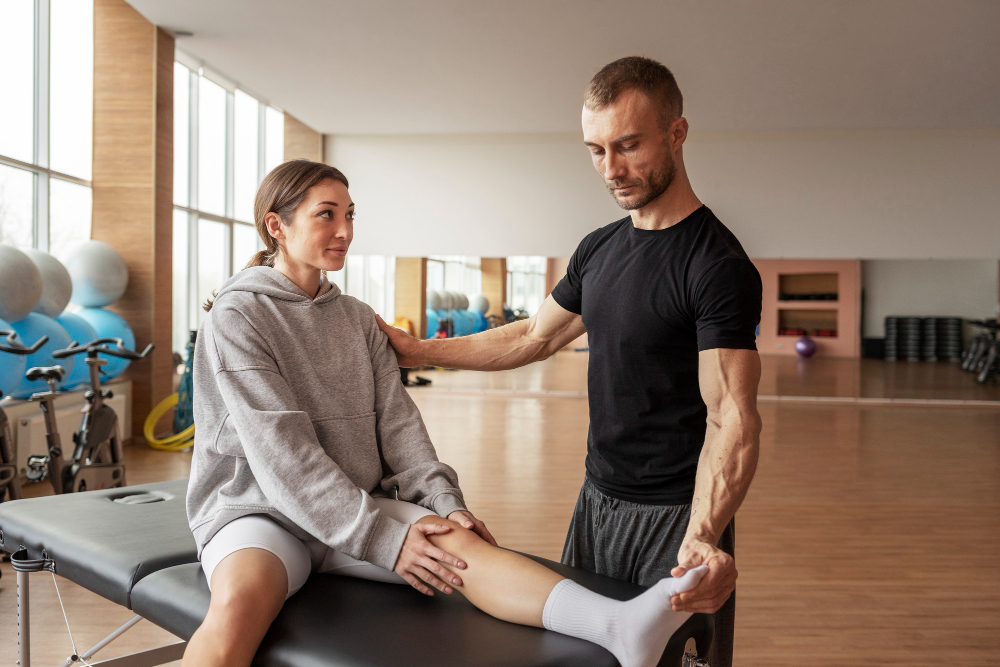
Sports injuries can happen to anyone, whether you are a beginner or a seasoned athlete. Because these injuries can affect your daily life, proper rehabilitation is key for a safe return to activity. In fact, following the right steps after an injury can help you heal faster and lower the risk of future problems. This blog explains why rehabilitation matters, what to expect, and how you can recover safely.
Common Types of Sports Injuries
Many people experience sports injuries each year. For example, some injuries are mild, while others may need more care. Knowing the common types can help you spot problems early.Sprains and strains: These affect muscles or ligaments and are very common in sports.Fractures: Broken bones can happen from falls or direct hits.Dislocations: Joints, such as the shoulder, can move out of place during activity.Tendonitis: Overuse can cause swelling in tendons, leading to pain and stiffness.Shin splints: Pain along the front of the lower leg, often from running or jumping.Concussions: Head injuries, often seen in contact sports, need special care.
Causes and Risk Factors
While anyone can get hurt, some factors make sports injuries more likely. For instance, not warming up before exercise can raise your risk. In addition, using poor technique or the wrong equipment can also lead to problems. Here are some common causes and risk factors:Lack of proper warm-up or cool-downSudden increase in activity levelOveruse or repetitive movementsPoor training habits or techniqueInadequate rest between workoutsUnsafe playing surfaces or equipmentPrevious injuries that did not heal well
The Importance of Proper Rehabilitation
After a sports injury, proper rehabilitation is crucial for full recovery. Without the right care, you may not heal as well. For example, skipping rehab steps can lead to lasting pain or weakness. According to the World Health Organization, early and guided rehab helps restore movement and strength. Moreover, it lowers the chance of re-injury and helps you return to activity safely. Rehabilitation also teaches you how to move better and avoid future injuries.
Steps in the Rehabilitation Process
Every injury is different, but most rehab plans follow similar steps. Because each stage builds on the last, it is important to follow your care team’s advice. Here are the usual steps in the injury recovery process:Rest and protection: At first, you may need to rest and protect the injured area.Pain and swelling control: Ice, gentle movement, and sometimes medicine can help.Gentle movement: As pain lessens, you start moving the area to prevent stiffness.Strength and flexibility exercises: These help rebuild muscle and joint function.Balance and coordination training: This step prepares you for safe return to activity.Gradual return to sport: Finally, you ease back into your sport or activity with guidance.
Potential Risks of Inadequate Rehabilitation
Skipping or rushing rehabilitation can cause problems. For instance, you might heal more slowly or not regain full strength. In some cases, you may develop chronic pain or repeat the same injury. According to the CDC, improper recovery can also lead to joint stiffness and muscle weakness. Sometimes, old injuries that did not heal well can make new injuries more likely. Therefore, following a complete rehab plan is vital for safe recovery and long-term health.
Tips for Safe Recovery and Prevention
Even though injuries can happen, you can take steps to recover well and lower your risk in the future. Here are some tips for safe injury recovery and prevention:Follow your healthcare provider’s advice closelyDo all recommended exercises, even if you feel betterWarm up and cool down before and after activityUse proper technique and equipmentListen to your body and rest when neededStay hydrated and eat a balanced dietReturn to activity slowly and with guidance
With the right care and attention, you can heal well and enjoy your favorite activities again.